
Plant Growth Regulators (PGRs): Nature’s Original Growth System—and Why Living Biology Matters

When most people hear the term Plant Growth Regulators (PGRs), they think of synthetic chemicals used in commercial agriculture. While artificial PGRs do exist, the truth is far more powerful:
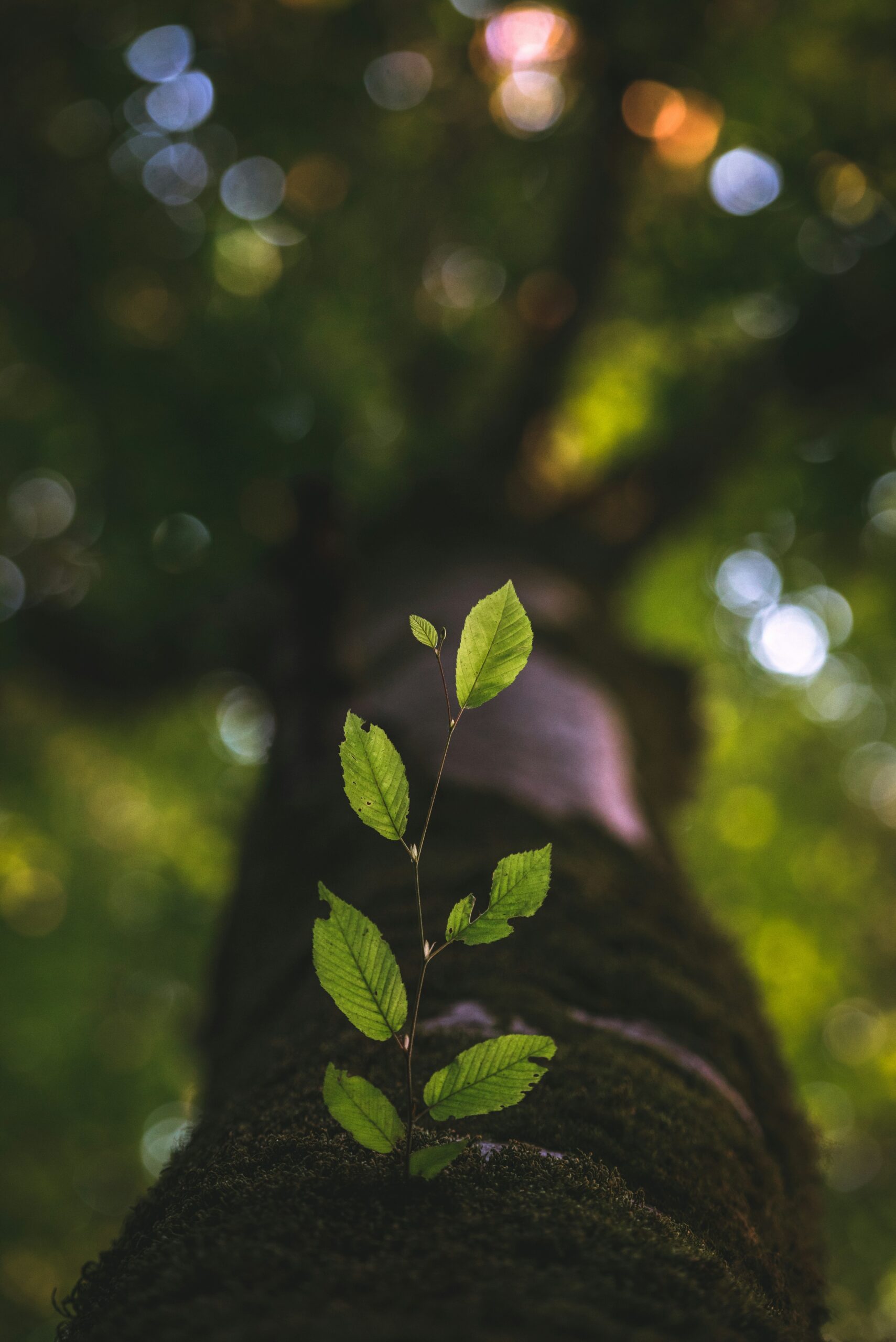
Plant Growth Regulators originated in nature first.
They are part of the original operating system of plants, soil, and microbes.
Understanding where natural PGRs come from and how they function helps explain why living inputs—like earthworm castings, kelp, and biological teas—create stronger plants, deeper roots, better flowering, improved stress tolerance, and higher crop quality than salt-based programs alone.
What Are Plant Growth Regulators, Really?
Plant Growth Regulators are natural signaling compounds that control how plants grow and respond to their environment. Instead of acting like fertilizers that supply raw nutrients, PGRs act as biological messengers that tell the plant:
- When to grow roots
- When to build leaves
- When to flower
- When to size fruit
- When to conserve energy under stress
Nutrients are the building blocks.
PGRs are the instructions for how those building blocks are used.
Without proper PGR signaling:
- Nutrient efficiency drops
- Root systems weaken
- Stress response falters
- Growth becomes uncoordinated and fragile
The Five Main Natural Plant Hormone Groups
| Hormone Group | Primary Role |
|---|---|
| Auxins | Root initiation, cell elongation |
| Cytokinins | Leaf growth, branching, chlorophyll |
| Gibberellins | Stem elongation, flowering, fruit sizing |
| Abscisic Acid | Drought & stress regulation |
| Ethylene | Ripening & flowering signals |
These hormones influence not only growth speed, but also:
- Root density
- Stem strength
- Flower formation
- Fruit size
- Flavor compounds
- Shelf life
- Stress tolerance
Where Do Natural PGRs Come From?
1. Plants Themselves
Plants naturally manufacture their own hormones internally. This is how they:
- Stretch toward light
- Transition into flowering
- Respond to drought or heat
- Regulate dormancy
However, plants are not meant to do this alone.
2. Soil Microbes (One of the Largest Hidden Sources of PGRs)
Many beneficial bacteria and fungi actively manufacture plant hormones and release them directly into the root zone. These include:
- Auxins for root branching
- Cytokinins for shoot development
- Gibberellins for size and flowering
This is one of the main reasons living soil consistently outperforms sterile, salt-fed systems long term.
3. Earthworms & Earthworm Castings
Earthworms serve as biological concentrators. As organic matter passes through their digestive system:
- Microbial populations multiply rapidly
- Organic acids unlock minerals
- Enzymes activate biological pathways
- Natural PGRs become highly bioavailable
This is why high-quality earthworm castings naturally contain:
- Auxins
- Cytokinins
- Enzymes
- Humic and fulvic acids
These compounds work together to:
- Accelerate transplant recovery
- Increase lateral root formation
- Thicken stems
- Improve stress tolerance
- Strengthen long-term plant resilience
This same biological concentration process is what makes VermisTerra Vitality, a refined earthworm casting product, such a powerful driver of natural PGR activity in soil. Vitality doesn’t force growth—it supports the biological systems that regulate growth internally.
4. Kelp & Seaweed (One of the Richest Natural PGR Sources on Earth)
Kelp is world-renowned because it is naturally loaded with:
- Cytokinins (leaf expansion & chlorophyll)
- Auxins (root initiation)
- Gibberellins (flowering & fruit size)
- Betaines (salt, heat & drought protection)
Unlike fertilizer, kelp does not primarily feed plants—it activates growth programming. It tells the plant:
- “Now is the time to grow roots.”
- “Now is the time to branch.”
- “Now is the time to flower.”
This makes kelp one of the most powerful natural hormone signal inputs available in agriculture.
Why Earthworm Castings + Kelp Work So Well Together
This is where true biological synergy appears.
- Kelp provides the hormonal signal.
- Earthworm castings provide the biological engine that sustains it.
Kelp alone can stimulate short-term growth.
Castings alone build long-term biological health.
Together, they create:
- Faster root development
- Stronger nutrient transport
- Thicker stems
- More consistent flowering
- Better fruit set
- Higher terpene and phenolic production
- Greater stress tolerance
This is regulation—not brute-force growth.
When kelp and castings are combined into a living biological brew—like VermisTerra Worm Tea—you are not just feeding plants. You are inoculating the soil with microbes and activating hormone pathways simultaneously.
Worm tea delivers:
- Living microbes that manufacture PGRs
- Organic acids that unlock minerals
- Natural growth stimulants created through biological metabolism
This allows plants to regulate growth from the root outward, instead of being pushed from the top down with salts.
Natural PGRs vs. Synthetic PGRs
Synthetic PGRs often:
- Force rapid cell expansion
- Create weak, watery growth
- Increase dependency on irrigation
- Reduce long-term resilience
- Cause rebound stress
Natural biological PGR systems:
- Prioritize root-first development
- Improve drought, heat, and disease tolerance
- Increase nutrient efficiency
- Improve flavor, aroma, and shelf life
- Strengthen long-term soil function
This is the difference between:
chemical control
and
biological intelligence
What Growers Commonly Observe in the Field
When natural PGR systems are active through biology, growers consistently report:
- Faster transplant recovery
- Reduced heat stress
- Improved drought tolerance
- Heavier flowering
- More uniform fruit set
- Stronger aroma and flavor
- Improved shelf life
- Less dependency on aggressive fertilizers
Not because plants are being pushed—but because they are finally communicating properly with the soil.
Living Soil Is a Communication Network
When people say:
“Living soil feeds plants better…”
What they really mean is:
Living soil communicates with plants better.
Microbes talk to roots.
Roots signal microbes.
Hormones move back and forth.
Minerals unlock through organic acids.
Growth is not driven by force.
It is driven by relationship and regulation.
This is why products built on biology—like Vitality and worm tea—work differently than conventional fertilizers. They don’t override plant systems. They restore them.
The Takeaway
Plant Growth Regulators are not synthetic inventions.
They are nature’s original growth language.
They come from:
- Plants
- Soil microbes
- Earthworms
- Kelp & seaweed
When earthworm castings, kelp, and living biology are combined through systems like Vitality and worm tea, you aren’t just feeding crops—you are activating the plant’s internal intelligence for growth, resilience, and quality.
This is why living soil never behaves like salt fertilizer.
It’s not just about nutrients.
It’s about biology, communication, and hormonal balance working together.